When someone collapses in your work environment or a youngster starts choking in a childcare area, nobody cares the number of components your group has watched or just how quite the certificates look. What matters is whether the person nearest to them can act, comfortably and properly, in the first two minutes.
That is where express first aid training gains its keep. Done correctly, a fast first aid course gives people the confidence and capability to act, without dragging them unemployed for a full day or more. Done improperly, it produces a pile of certifications and a false sense of security.
I have invested years viewing both play out in workplaces, storehouses, building websites and early understanding centres. The pattern is constantly the exact same: it is not the size of the course that makes the distinction, it is the focus, the realistic look and just how well the training fits the workplace.
This post goes through how to utilize express first aid, CPR training and short-format refresher programs to build a genuinely more secure office, without debilitating your lineup or blowing the training budget.
What "express" actually indicates in first aid training
"Express" or "fast" first aid courses are usually misconstrued. Lots of people think "shorter" suggests "less significant" or "watered down". In many cases, express first aid training is not lighter, it is smarter.
Modern first aid and CPR courses are commonly developed around mixed delivery:
- Pre course online discovering, adhered to by a brief, intensive sensible session Shorter, concentrated refresher sessions for people that currently have a first aid certificate Modular alternatives such as standalone express cpr courses or express child care first aid devices that target specific risks
The understanding components that utilized to inhabit hours in a class now sit online. Individuals full video clips, analyses and tests at their own speed, after that reach the analysis all set to spend their limited face‑to‑face time doing, not listening.
The key concern is not "How long is the course?" however "What functional skills will my team walk away with, and exactly how well will they keep them under anxiety?"
If the service provider can respond to that plainly, with a structure that respects your operational restrictions, after that express first aid courses can be an asset as opposed to a shortcut.
Why speed matters for workplaces
In a best world, every person in your service would finish a full‑day first aid and CPR course, plus normal scenario‑based refreshers. In reality, staffing, changes and expense hinder. Managers request for "the fast first aid course near first aid certificate Salisbury me" due to the fact that shedding personnel for an entire day is not feasible.
The right express first aid training addresses a number of problems at once.
First, it reduces downtime. Pulling 3 individuals off a tiny team for eight hours can maim operations. A half‑day express first aid course, backed by pre‑learning, allows you revolve team through without exploding the roster.
Second, it increases insurance coverage. If the only individuals with a first aid certificate are your marked first aid officers, the system falls short whenever they get on leave or working off website. Fast first aid training and brief cpr courses make it practical to educate a wider piece of the workforce, so every change and location has somebody qualified nearby.
Third, it enhances realism. A decent express first aid course cuts the fat. Instead of wandering right into seldom appropriate theory, the instructor invests more time on realistic situations: an electric shed on the factory floor, a seizure in function, or an asthma attack in the warehouse.
The outcome is not simply much faster certification. It is a greater percentage of your people who can manage real emergencies.
What ought to an express first aid course actually cover?
If you are evaluating different fast first aid courses, look less at the brand name on the certificate and even more at the real material and assessment.
For a core office course, even an express first aid option must accurately cover:

Basic life assistance and CPR. High‑quality cpr training is the non‑negotiable centre of any type of first aid and cpr course. That suggests method on adult and youngster manikins, correct compression depth and rate, safe rescue breaths or compression‑only CPR where proper, and certain use of an automatic exterior defibrillator (AED).
Recognition and action to typical clinical emergencies. At minimum, staff should know exactly how to recognise and reply to breast discomfort suggestive of heart attack, stroke symptoms, difficulty breathing or bronchial asthma, diabetic emergencies, seizures and allergies including anaphylaxis.
Trauma and work environment injuries. This includes serious bleeding control, basic injury care, cracks and sprains, head injuries, burns and eye injuries. In guidebook or industrial settings, this part of the first aid training should be customized to most likely risks such as crush injuries or entrapment.
Choking and airway management. Especially in hospitality and childcare, choking is a plausible and high‑stakes occasion. Express cpr training frequently doubles down here, with repeated technique for conscious and subconscious choking in grownups, children and infants.
Safety, interaction and handover. First aid is not just concerning hands‑on abilities. Staff require to know just how to call for assistance, coordinate with associates, handle onlookers, and turn over clearly to paramedics.
An express first aid and cpr course that leaves any one of these gaps is not reliable, it is insufficient. Much shorter period serves, however omitted basics are not.
The function of childcare‑specific express training
Childcare settings are their very own world. Ratios are tight, personnel turn over can be high, and the risk profile is various from a typical office or storehouse. You have smaller respiratory tracts, creating body immune systems, and constant movement.
That is why appropriate express childcare first aid training is so beneficial. A common first aid course might invest 10 minutes on paediatrics. A dedicated express childcare first aid course invests a lot of its time there.
The much better express childcare first aid courses focus on:
Paediatric CPR and choking. The methods and the emotional load differ when the individual is a kid or infant. Rep and practical manikins matter here, specifically in an express format.
Asthma and anaphylaxis monitoring. Early discovering centres today see raising numbers of children with asthma and extreme allergies. Educators need pierced regimens: where the drug is kept, who administers it, that calls the ambulance, that manages the various other children.
Common childhood injuries. Autumns from play tools, head knocks, cuts, nosebleeds, attacks and stings. The instructor needs to be able to reference real situations from centres, not just the common first aid manual.
Documentation and communication with households. Childcare personnel operate in a more controlled atmosphere. They require to recognize occurrence coverage, communication with moms and dads and exactly how their first aid actions intersect with solution policies.
An express child care first aid course that blends targeted online pre‑learning with a concentrated sensible session can cover every one of this without pulling an educator out of the room for an entire day. In services where ratios are currently a day-to-day challenge, that is the distinction in between planning and chaos.
How to choose in between different express and fast options
Most providers currently use several flavours of fast certification: full first aid courses, express cpr courses, fast cpr correspondence course, and integrated first aid and cpr training classes. The option relies on where your individuals are beginning with and what your dangers look like.
If personnel have never trained in first aid prior to, a full first aid and cpr course, also in express layout, is ideal. The on-line theory will bring even more weight right here, and you desire a functional session long enough for repetition and assessment.
If staff already hold an existing first aid certificate, a fast cpr refresher course can be enough annually, with a full express first aid course every couple of years relying on your governing framework. Many work environments currently arrange annual express cpr training across all staff and a deeper first aid course for marked first aid officers.
If various roles deal with various risks, modular express first aid training makes sense. Office‑based staff might need cpr courses plus standard first aid, while maintenance or area personnel finish more advanced injury situations. Childcare and education groups full express childcare first aid instead of a generic program.
The most intelligent programs I have seen begin with a basic risk and protection map, not the catalogue of a training provider. When you know what you are actually attempting to safeguard against, you can select the fast first aid training mix that fits.
Where fast fails: common pitfalls
Not all short courses are produced equal. I have actually strolled into workplaces pleased with their wall of certificates, just to locate staff who can not keep in mind where the AED is, not to mention exactly how to affix the pads.
Fast first aid, when done badly, stumbles in a couple of predictable places.
First, overreliance on video. Pre‑course online modules serve, yet they do not change sensible training. If the face‑to‑face session is mostly a video and a quick multiple‑choice test, you are not buying training, you are buying paperwork.
Second, unrealistic situations. People remember what really feels real. If the express first aid course utilizes sterile, scripted instances, team will struggle to move their finding out to an untidy, loud office occurrence. Trainers need to be comfortable adapting circumstances: a crush injury on the filling dock, a chemical sprinkle in the lab, a personnel with chest discomfort at 7 am prior to the rest of the team has arrived.
Third, insufficient proportions and devices. One instructor and two manikins for twenty participants is not training, it is throughput. In a great express cpr course, every person needs to have adequate time on the manikin to develop muscle mass memory, not just touch it once.
Fourth, no web link back to office treatments. Team walk out of the course lugging common understanding, but no clear concept just how it fits with your details emergency situation plan, fast track first aid evacuation procedures or event reporting tools.
If you are paying for training, you are entitled to ask hard concerns concerning every one of these. A trustworthy express first aid training service provider will certainly welcome them.
What a great express first aid session feels like
People frequently ask how they can tell if their fast first aid course was "adequate". Speed is not the right procedure. Focus instead to what is taking place in the room.
A strong express first aid or express cpr course has a specific power. Individuals are up and relocating quickly, not being in rows for the initial hour. The instructor invests more time observing and mentoring than talking, remedying hand positions, urging deeper compressions, pushing individuals to say aloud what they are doing as they work.
Scenarios come fast, with tiny variants. One minute it is a choking adult, the following it is a subconscious child without any breathing, then a coworker with sudden speech problem. People obtain things incorrect, and the trainer utilizes those errors as mentor chances instead of embarrassment.
By completion of the session, participants are tired, a bit perspiring from compressions, and visibly more certain. They are also extremely clear on where your AEDs are, how to turn on emergency situation reaction in your structure, and what their own function would remain in a real event.
If your staff leave saying, "That went fast, but I feel like I can actually do this now", you selected correctly.
Building an internal society around fast very first aid
One express first aid course will not change a work environment by itself. Security society expands from duplicated signals that emergencies are worth preparing for, also if they are Check out here rare.
There are a few straightforward means to support the training and obtain even more worth from it throughout the year.
First, make presence regular. Place AEDs, first aid packages and emergency contact factors where people in fact see them on a daily basis, not concealed in a back office. Usage short, low‑key tips at staff conferences to revisit where important equipment is kept and who the current first aid officers are.
Second, rehearse gently. A full‑blown drill is not functional on a monthly basis, however short, scenario‑based discussions function well. At a toolbox talk, ask "If a person fell down in the stockroom now, what would certainly each people do?" Then load the gaps.
Third, lower the emotional obstacle to acting. Many people think twice in genuine emergency situations due to the fact that they are afraid "doing it incorrect". Throughout first aid and cpr training classes, ask the trainer clearly to talk about Good Samaritan protections and the truth that doing something sensible is much much better than doing nothing.
Fourth, preserve energy with refreshers. Abilities fade. Researches recommend that CPR quality drops dramatically within a few months if individuals do not practice. Fast cpr courses and extremely short cpr refresher courses, also 30 to 60 mins throughout a personnel day, can keep the muscle memory active between formal recertifications.
When express first aid courses sit inside this type of culture, they are not an isolated occasion. They become one of a number of touchpoints that keep safety and security genuine and present.
Choosing a supplier: inquiries that matter
Training high quality differs extensively. Two certifications with the very same title can stand for really different experiences. When you are choosing express first aid courses or fast cpr correspondence course, the sales brochure will certainly not inform you what you truly require to know.
A short set of sharp inquiries generally exposes a lot:
- How much face‑to‑face functional time does each participant enter your express first aid course, and how many people are in each group? What proportion of your fitness instructors actively operate in emergency situation solutions, nursing or paramedicine, and exactly how do you keep their skills current? How do you customize first aid and cpr training classes to our particular industry risks and inner emergency situation procedures? What tools do you cause website, and how many manikins or training gadgets are offered per participant? How do you deal with on the internet pre‑learning for staff with low computer system self-confidence or language barriers?
The best service providers address with specifics, not generalities. "Two and a fifty percent hours in a group of 12 with four manikins" is a far better sign than "Lots of time for everybody". "We will certainly request your risk register and emergency situation strategy in advance" is a much better indicator than "We utilize a common educational program".

Fast first aid is a volume service for some organisations. You desire the ones that still see each work environment as distinct.
Managing compliance without shedding the plot
In managed industries, conformity demands drive much of the need for first aid courses. That is not a bad point, yet it can misshape decisions. Supervisors start from "What does the regulatory authority call for?" as opposed to "What does our labor force actually need to take care of the emergency situations we could deal with?"
The trick is to deal with compliance as the flooring, not the ceiling.
If your regulatory authority requireds that at least one employee per shift holds a current first aid certificate and cpr training, that is the legal minimum. For a hectic circulation centre or a multi‑story office complex, relying upon a single person per shift is bad danger administration, even if it keeps you technically compliant.
Express first aid training makes it practical to exceed that minimum. You can use fast first aid courses to increase the standard understanding throughout the whole workforce, while still satisfying the letter of the requirements with marked first aid officers that finish more extensive assessments.
Similarly, childcare regulations may specify that particular roles must hold an accepted express childcare first aid certificate. Taking the whole teacher group with express child care first aid courses turns that need right into a toughness. Any instructor, in any kind of space, can react quickly while others support.
When you look at conformity as a starting point, not the goal, fast first aid courses and express cpr training end up being tools to develop durability rather than just tick boxes.
Making express first aid operate in practice: a sample rollout
To see how all this comes together, consider a mid‑sized business with around 120 personnel throughout a head workplace and a little storehouse. They have a couple of maturing first aid kits, one AED in reception, and 3 team whose first aid certifications have quietly expired.
Here is exactly how they used fast first aid and cpr training to increase the requirement without major disruption.
They began with a straightforward danger map, providing typical injuries, clinical problems amongst personnel, and physical layout obstacles. They identified that a lot of danger beinged in the storehouse and during morning and late evening changes when staffing was thin.
Next, they establish protection goals that went beyond minimum conformity. Rather than one first aid police officer per flooring, they went for at the very least 2 staff with present first aid and cpr training on every shift in each physical area, plus basic CPR skills for all supervisors.
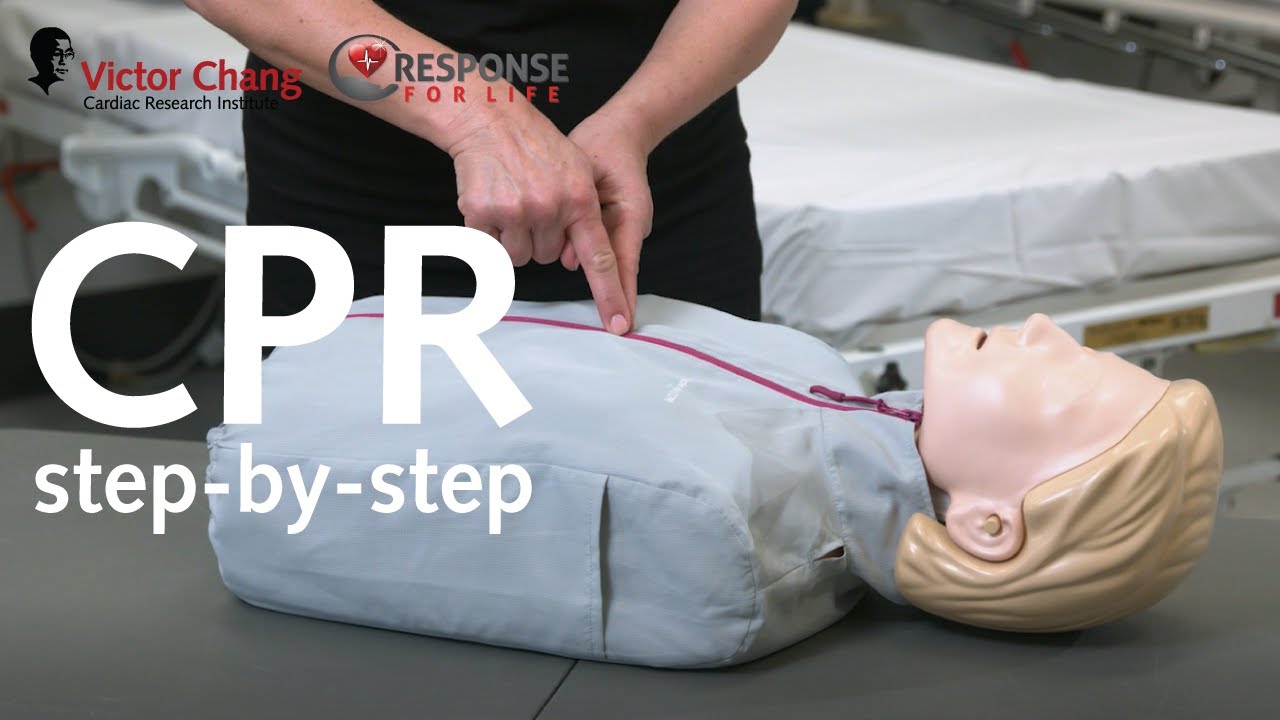
They then set up an express first aid course for a core group of 18 individuals: stockroom leads, function, centers and a couple of volunteers from each division. The company made use of mixed delivery, with concerning three hours of online first aid course material finished in the week prior, and a half‑day practical session on site.
Alongside that, they prepared very brief express cpr training, 90 mins each time, for all line managers and group leaders that were not part of the core group. This gave them enough familiarity with CPR and the AED to function as instant -responders while the completely educated first aiders arrived.
Finally, they embedded the adjustment. They upgraded their emergency reaction plan, moved the AED to a much more main location, installed clear signs, and locked in fast cpr correspondence course every 12 months for everybody who had actually trained.
Within six months, they had not just satisfied compliance, they had actually boosted protection materially. During a later actual case, when a professional experienced breast discomfort in the storehouse, 3 individuals reacted effectively prior to the ambulance showed up. One launched CPR when he lost consciousness, one more worked with the AED and emergency telephone call, and a 3rd cleared the area and fulfilled paramedics at the door. That end result did not occur by luck. It grew from calculated preparation, smart use of express first aid training, and consistent refreshers.
The silent payback of doing it properly
Most of the time, your financial investment in fast first aid courses and express cpr training will rest quietly behind-the-scenes. Months might pass with nothing extra severe than a paper cut or a twisted ankle joint. That can make training seem like a grudging expense.
The actual benefit shows up only a few times in the life of an organisation, often without excitement. A kid that quits breathing in a childcare space but is breathing again when paramedics arrive. A coworker that makes it through a sudden cardiac arrest due to the fact that someone nearby remembered their cpr courses and had the confidence to begin compressions. An employee with a severe bleed that is regulated early enough to prevent an extremely different outcome.
Those minutes rest on lots of little choices: choosing an express first aid course that values method over slides, making time for fast cpr refresher courses as opposed to letting certifications silently expire, and treating first aid training as part of exactly how you care for your people, not just a governing obligation.
If you can check out your work environment and truthfully claim that, at any type of provided moment, a minimum of a single person nearby could take care of the first 10 mins of a serious emergency situation, you are in a much stronger position than most. Express first aid training, used thoughtfully, is just one of the quickest methods to obtain there.